.AHLogo1200x1200Black-07578d9b18173fee3d04bf845fdf5007eba8c3c451a934328392e5221830e241.png)
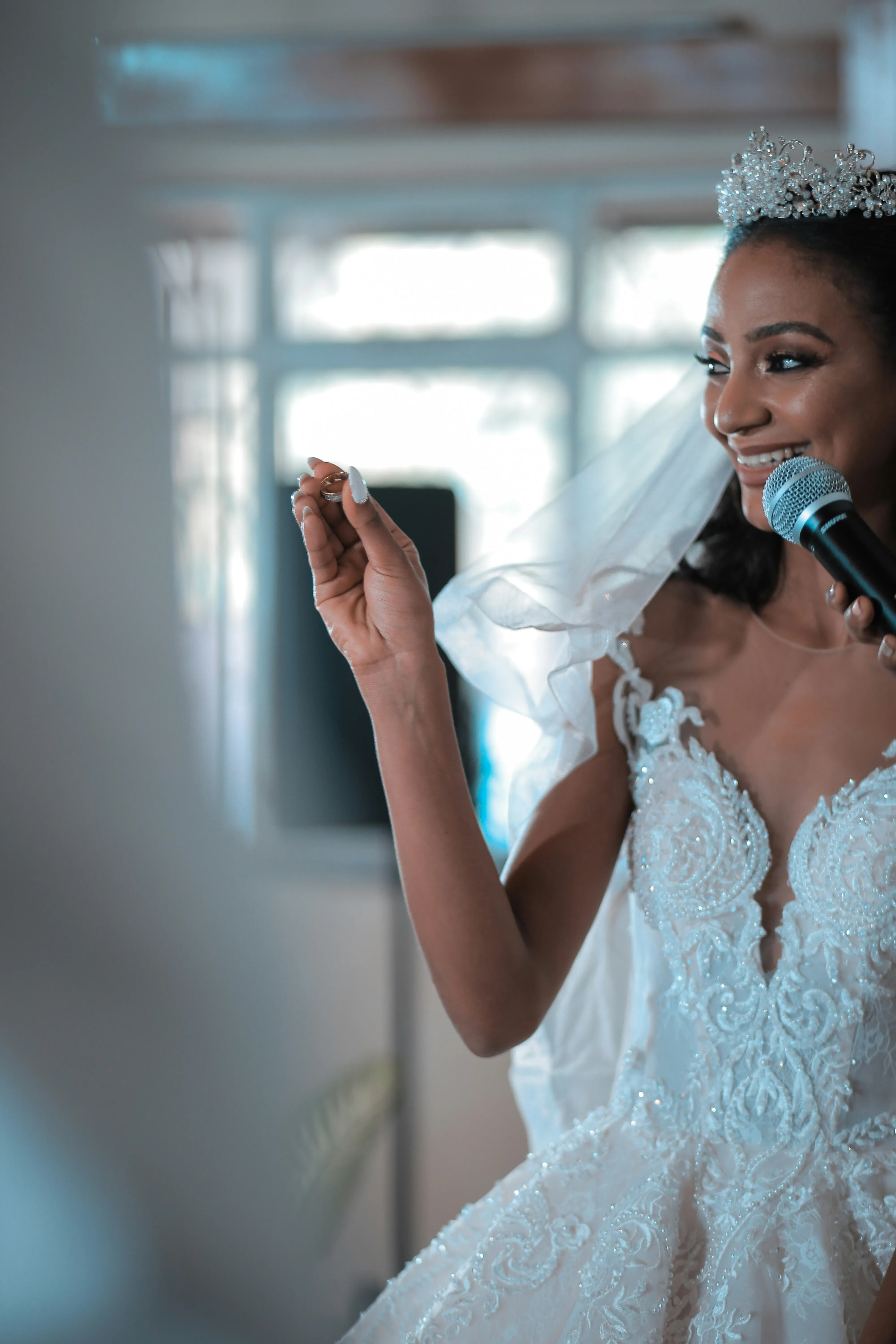
Wedding speeches are one of the moments when good sound matters most. The room may contain a large number of guests, people may be talking quietly or moving between tables, and the person giving the speech may have little or no experience using a microphone. A speech that can be heard clearly at the bridal table may be difficult to understand at the other end of the room unless the microphone and PA system have been set up appropriately.
The equipment does not need to be complicated. What matters is choosing a practical microphone arrangement, providing appropriate loudspeaker coverage and making the system easy for each speaker to use. The best setup is generally one that requires very little thought from the people giving speeches. They should be able to take the microphone, speak naturally and concentrate on what they want to say.
Wedding speech requirements also vary considerably. Some receptions have an MC and two or three prepared speeches from one position. Others involve parents, members of the wedding party, spontaneous contributions and people speaking from different parts of the room. Thinking through how the speeches will actually happen is therefore more useful than simply adding a microphone to the equipment list.
Plan Where the Speeches Will Happen
Before choosing the microphone, establish where people are expected to speak. A fixed speech position near the bridal table or lectern creates a different requirement from a reception where the MC moves around the room and speakers remain near their tables.
A defined speaking position can make the audio setup relatively straightforward. A wired microphone can be positioned there, either handheld or on a microphone stand, and the XLR cable can be routed appropriately to the sound system. Where the speaker remains in that location, wireless operation may provide little practical advantage.
If people will speak from different locations, a wireless handheld microphone can be more convenient. The MC can carry it to the next speaker or the microphone can be handed between people without an XLR cable crossing the room. This is particularly useful in venues where tables, service routes or other parts of the reception layout make a long microphone cable impractical.
The choice should follow the way the reception has been organised. Wireless is not automatically better because it removes a cable, and wired is not automatically preferable because it is simpler. The useful question is whether the person speaking needs to move. Our wired versus wireless microphone guide explores this decision in more detail.
It is also worth discussing the speech position with the venue before setup. Furniture, service routes, power access and venue rules can affect where audio equipment and cables can be placed. If external suppliers are being used, confirm access and setup arrangements with the venue in advance rather than assuming every location within the room will be available.
Make Speech Intelligibility the Priority
Wedding speech sound is primarily about intelligibility. The objective is not to make the speaker dramatically louder than everyone else in the room. It is to reproduce the voice clearly enough that guests throughout the intended audience area can understand what is being said.
That depends on more than the microphone. The PA system needs to distribute speech appropriately through the room. Audio Hire starts audience sound-system recommendations with at least two loudspeakers, allowing coverage to be considered across the listening area rather than expecting a single loudspeaker to serve the entire room.
Speaker placement matters because the closest guests should not have to endure excessive volume simply so that people farther away can hear. In a larger or more difficult room, increasing the volume at the front is not necessarily an effective substitute for appropriate coverage. Room dimensions, audience layout and acoustics all influence the result.
Wedding venues can also contain highly reflective surfaces such as glass, hard floors and exposed walls. In a reverberant room, simply increasing the microphone level can make speech less comfortable without necessarily making every word easier to understand. Keeping the microphone close to the speaker and using the PA at an appropriate level gives the system a better direct voice signal to work with.
This is why the microphone and PA should be considered together. If you are organising the complete setup, PA Hire Adelaide and Sound System Hire Adelaide provide information about the broader sound-system options available through Audio Hire.
Keep the Microphone Arrangement Simple for Speakers
Many people giving wedding speeches rarely use microphones. They may be nervous, reading from notes and concentrating on what they want to say. The microphone arrangement should therefore be as intuitive as possible.
A handheld microphone such as the Shure SM58 provides a straightforward option for speech as well as live vocals. Audio Hire also offers the Shure PGA48, a practical dynamic cardioid microphone for speech, announcements and general vocal applications.
Whichever microphone is used, the most important instruction is usually to keep it reasonably close to the mouth. Someone unfamiliar with microphones may instinctively lower it towards their chest once they start reading their speech. The direct voice level reaching the microphone then falls, and increasing the PA gain to compensate can make feedback and room sound more difficult to manage.
The MC can help enormously. Before handing the microphone to each speaker, a simple reminder to keep it close and speak normally can prevent many problems. There is generally no need to tell nervous speakers about gain, polar patterns or other technical details immediately before they address the room.
Speakers should also avoid covering the microphone grille or continually changing its distance from their mouth. If they turn to address another part of the room, the microphone should move with them rather than remaining pointed at where their mouth was previously. Our microphone technique guide covers these principles in greater detail.
Think About the MC, Multiple Speakers and Backup Requirements
The number of speeches does not necessarily determine the number of microphones. Ten people speaking sequentially can potentially use the same microphone, while two people who need to speak simultaneously may require two. The programme format matters more than the total number of names on the running sheet.
The MC deserves particular consideration because they may need frequent access to a microphone throughout the reception. If the MC is continually introducing speakers, making announcements and moving the programme forward, repeatedly taking their microphone away can become inconvenient. Depending on how the reception is structured, providing the MC with independent access while another microphone is available for speeches can make the programme run more naturally.
Some speeches also involve more than one person. Two members of the wedding party might deliver a speech together, or one person may invite another to contribute. If that interaction is planned, decide beforehand whether they will share a microphone or whether simultaneous access would make the presentation easier.
Spontaneous speeches can complicate matters further. If guests are likely to be invited to contribute from their tables, a wireless microphone that can move through the room may be useful. The MC or another responsible person can carry it to each speaker rather than allowing it to disappear somewhere among the tables.
The general principle is to work from the running order. Identify who needs a microphone at each stage and whether anyone needs access at the same time. Our broader guide to how many microphones you need for an event explains this approach in more detail.
Soundcheck Before Guests Need the Microphones
Wedding microphones should be tested through the complete PA before the speeches begin. Ideally, this happens before guests enter the reception space or during a suitable period when testing will not interfere with the occasion.
Do more than confirm that the microphone makes sound. Have someone speak normally and listen from different parts of the room. Check whether speech remains clear towards the back and sides of the audience area. If the system sounds extremely loud near the front but difficult to understand elsewhere, the problem may be coverage or placement rather than insufficient volume.
For wireless microphones, check the transmitter batteries and test the microphone throughout the areas where it will actually be used. A wireless microphone that works beside the receiver has not been meaningfully tested if the MC intends to carry it to the other side of the room.
For wired microphones, check the XLR cable and connections and make sure the cable route remains practical once tables, chairs and guests are considered. Extension leads may be required for powered audio equipment, while cable covers can be appropriate where leads cross suitable pedestrian areas. Coordinate cable routes with the venue and avoid interfering with staff access and service paths.
It is also useful to test the microphone at approximately the level at which it will be used. Shouting into it during setup and then assuming a softly spoken family member will produce the same signal is not realistic. If the MC is available, having them test their own microphone provides a useful reference.
Our microphone soundcheck guide provides a more detailed process for checking microphones, PA coverage, feedback and wireless operation before a function begins.
Make the Speeches Easy to Hear and Easy to Deliver
Good wedding speech audio should largely disappear into the occasion. Guests should not be thinking about the microphone, loudspeakers or mixer. They should be listening to the stories, jokes and messages being shared by the people who matter to the couple.
Achieving that result does not require unnecessary complexity. It requires a microphone appropriate for how the speakers will use it, sufficient loudspeaker coverage for the room, sensible equipment placement and a short soundcheck before the programme begins. The MC and speakers then need only a few simple instructions.
If you are choosing equipment yourself, begin with Microphone Hire for Events: A Complete Guide to Choosing the Right Microphone. You can browse current options through Microphone Hire Adelaide, with live pricing and availability shown on the relevant equipment pages.
For a complete wedding audio requirement, tell Audio Hire where the reception is being held, approximately how many guests will attend, whether the speeches will happen from a fixed position or around the room, and what entertainment is planned afterwards. That information helps establish not only the microphone requirement but the PA system needed to support the complete reception.