.AHLogo1200x1200Black-07578d9b18173fee3d04bf845fdf5007eba8c3c451a934328392e5221830e241.png)
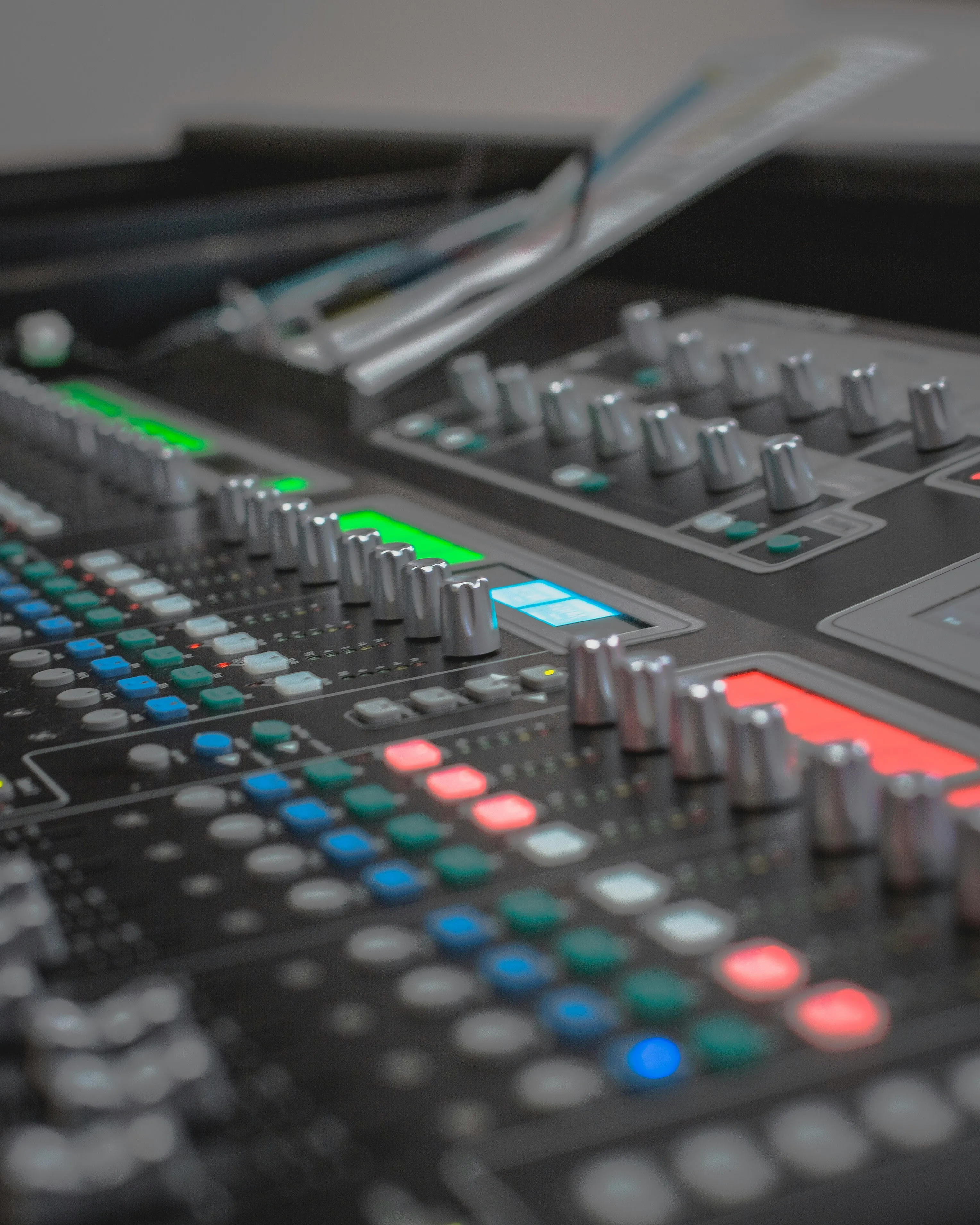
Hiring sound equipment for an event can look simple: find some speakers, add a microphone and book the cheapest package.
In practice, there are a few more things worth checking.
The right audio hire company should provide equipment that's suitable for your event, explain what you need in straightforward terms and make it clear what is—and isn't—included in the hire.
You don't need to know anything about speaker specifications, mixers or microphone systems to ask the right questions.
Here are 12 questions worth asking before you book.
1. What Size PA System Do I Need?
Don't assume you need to work this out yourself.
Tell the audio hire company:
- what type of event you're holding
- how many people are attending
- the venue
- whether you're indoors or outdoors
- whether the system is for speech, music or both
- whether there will be dancing
- whether you're using a DJ or live performers
That information should help them recommend an appropriate system.
Audience size is important, but it isn't the only consideration.
A PA system for 100 people listening to wedding speeches has a very different job from one providing dance music for 100 people at a party.
You can browse Audio Hire's PA hire options to see systems for different event requirements.
2. What Exactly Is Included in the Hire?
Before comparing prices, establish what you're actually getting.
A PA hire package might include speakers, speaker stands and the standard cables required to connect the system.
Another package might also include:
- subwoofers
- microphones
- microphone stands
- an audio mixer
- additional cables
- other accessories
Don't assume something is included simply because you expect it to be.
Ask what comes with the equipment and what needs to be hired separately.
You can browse the complete Audio Hire equipment range to see the different components commonly used in event sound systems.
3. Are the Speakers Suitable for Music, Speeches or Both?
Not every event uses its PA system in the same way.
If your event primarily involves speeches and announcements, clear voice reproduction may be the priority.
If you're organising a party, wedding reception or DJ event, music reproduction becomes much more important.
For an event involving dancing, you may also want subwoofers to provide stronger low-frequency sound.
Tell the supplier how the system will be used rather than simply asking for "two speakers".
Our speaker hire options provide a useful starting point when comparing systems.
4. Do I Need Subwoofers?
Subwoofers reproduce the lower frequencies that give music its bass and impact.
They're often worthwhile when music and dancing are a major part of an event.
Consider them for:
- birthday parties
- wedding receptions
- DJ events
- dance events
- live music
For a straightforward presentation or speech, however, adding a subwoofer may provide little practical benefit.
Ask whether one is genuinely useful for your event rather than automatically adding it to the booking.
If music is a major part of your event, browse the sound system hire options.
5. Should I Hire Wired or Wireless Microphones?
The answer depends largely on whether the person using the microphone needs to move.
A wired microphone can be an excellent choice for somebody speaking or performing from a fixed position. It's simple, reliable and generally less expensive to hire.
Wireless becomes particularly useful when an MC, presenter or performer needs freedom to move around.
It's also convenient for audience Q&A because the microphone can be carried directly to the person asking a question.
For straightforward speech applications, a wired microphone such as the Shure PGA48 may be all you need.
For professional vocals and live applications, the Shure SM58 is another option.
Don't automatically pay more for wireless. Ask whether you'll actually benefit from the mobility.
6. How Many Microphones Do I Need?
Think about the way your event will run rather than simply counting the number of people who will speak.
One microphone may be sufficient if several people are giving speeches one after another.
It can become inconvenient if several people need to participate in a discussion simultaneously.
Consider:
- the MC
- presenters
- guest speakers
- panel members
- performers
- audience questions
If one microphone has to move constantly between different people, hiring an additional microphone may make the event run much more smoothly.
7. Do I Need an Audio Mixer?
Not every PA system requires a separate mixer.
If you're connecting several microphones, music players, laptops or other audio sources, however, a mixer may be necessary.
A mixer allows those different signals to be combined and their levels controlled.
For smaller systems, a compact mixer such as the Yamaha MG06 may provide the additional inputs you need.
Tell the supplier everything you intend to connect to the system and ask whether a mixer is required.
8. Are All the Cables and Stands Included?
It's easy to concentrate on speakers and microphones and forget everything required to connect and position them.
Ask whether the hire includes the standard:
- power cables
- audio cables
- speaker stands
- microphone cables
Then consider whether your particular venue requires anything additional.
For example, equipment positioned a considerable distance apart may require longer cables.
If you're using a microphone in a fixed position, you may also want a microphone stand.
Audio Hire has speaker tripod stands and other accessories available for compatible equipment.
The important question is simple:
When I receive the equipment, will I have everything necessary to set it up and use it?
9. Can I Set the Equipment Up Myself?
For many smaller events, the answer may be yes.
Modern powered speakers and straightforward PA systems can be relatively simple to assemble once you understand where everything connects.
If you're comfortable setting up the equipment yourself, this can help keep the overall hire cost down.
But don't overestimate your confidence.
A system involving several speakers, subwoofers, multiple microphones, mixers and performers can become more complicated.
Ask the hire company how difficult the setup is and whether instructions or assistance are available.
Ideally, you should understand the basic setup before arriving at the venue.
10. Do I Need a Sound Technician?
A sound technician isn't necessary for every event.
A straightforward party using a simple PA system for music may be perfectly manageable without one.
A more complicated event can be different.
Consider professional technical support if you're dealing with:
- several microphones
- multiple presenters
- live performers
- frequent audio changes
- complicated event schedules
- important corporate presentations
- events where audio problems need to be resolved immediately
A technician can monitor sound levels, manage microphones and other sources, and respond when something changes during the event.
Ask whether your event genuinely needs an operator rather than assuming one is either essential or unnecessary.
11. How Do Delivery and Collection Work?
Make sure you understand how the equipment will get to and from the venue.
Ask:
- Is delivery available?
- What does delivery cost?
- When will the equipment arrive?
- Where will it be delivered?
- When will it be collected?
- Do I need to be present?
- Can I collect and return the equipment myself?
Transport can be particularly important when hiring larger speakers and subwoofers.
Check whether your vehicle has enough room if you're planning to collect the equipment yourself.
If you prefer the convenience of having it transported, check the supplier's delivery area and charges before finalising the booking.
12. What Happens If I Need Help?
This is an important question, particularly if you're setting up audio equipment for the first time.
Even a straightforward PA system can seem unfamiliar when you're looking at several cables and connections shortly before guests arrive.
Ask what support is available if you have a question.
Can you contact somebody for assistance?
Are setup instructions provided?
Can the supplier explain the system when you collect it?
Knowing that assistance is available can be just as valuable as the equipment itself.
Don't Be Afraid to Ask Basic Questions
You don't need to impress an audio hire company with your technical knowledge.
If you don't know what a mixer does, ask.
If you're unsure whether you need a subwoofer, ask.
If you don't know whether one speaker is enough, ask.
A good equipment recommendation should make sense when it's explained in ordinary language.
You should understand what you're hiring, why you need it and how it relates to your event.
Provide the Right Information From the Start
You'll generally receive a more useful recommendation if you provide a clear event brief.
Before contacting an audio hire company, have as much of this information available as possible:
- event type
- date
- venue or suburb
- indoor or outdoor location
- approximate guest numbers
- speeches or presentations
- music requirements
- DJ or live entertainment
- number of people requiring microphones
- whether people need to move while speaking
- event start and finish times
- whether you want delivery
- whether you need help with setup or operation
Don't worry if you can't answer everything yet.
Start with what you know and refine the equipment requirements as your plans develop.
Choosing an Audio Hire Company
Price matters, but it shouldn't be the only consideration.
The cheapest quote isn't particularly useful if the equipment doesn't suit the event or important components aren't included.
Likewise, there's little benefit in paying for a large, complicated system when a simpler setup would do the job perfectly well.
Look for a supplier that can help you match the equipment to the event.
If you know what you need, browse the Audio Hire equipment range and choose the equipment that suits your requirements.
If you're unsure, contact Audio Hire with your event details.
Tell us what you're organising, where it's being held, how many people you're expecting and what you need the sound system to do.
From there, we can help you work out the equipment you actually need—without making you become an audio expert first.