.AHLogo1200x1200Black-07578d9b18173fee3d04bf845fdf5007eba8c3c451a934328392e5221830e241.png)
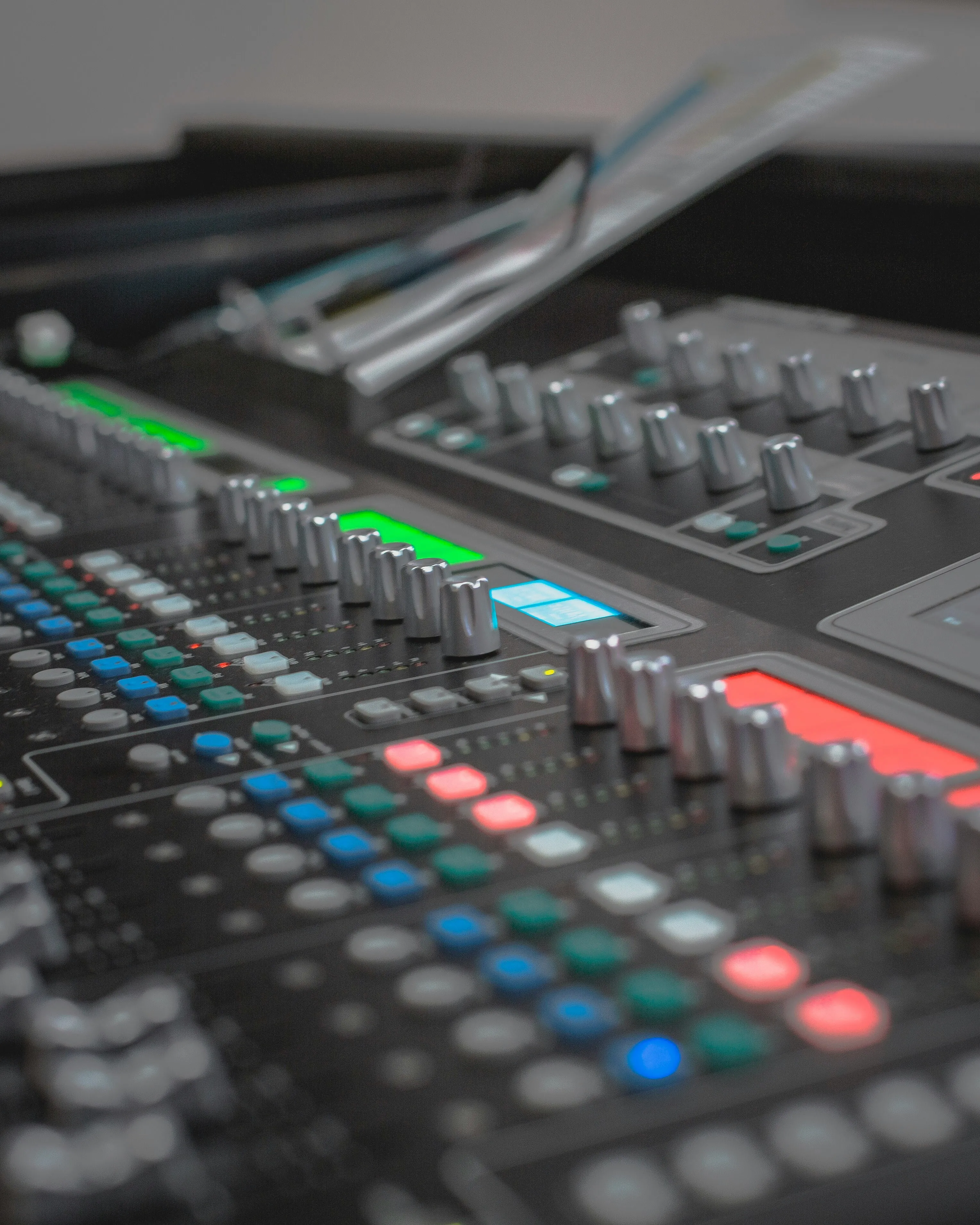
If you’re organising an event for the first time, arranging the audio equipment can seem complicated. PA systems, wireless microphones, speakers, mixers and all the associated technical terminology can quickly make a relatively simple event feel much more involved.
The good news is that you don’t need to be an audio expert to hire the right equipment.
A professional audio hire company should be able to help determine the technical requirements. Your job is to explain what your event involves, where it is being held, how many people will attend and what you want to happen.
From there, the appropriate equipment can be selected.
Here’s what you need to know when hiring audio equipment for an event.
Start With the Event, Not the Equipment
One of the easiest mistakes to make when arranging event audio is trying to work out exactly what equipment you need before you begin.
You may find yourself wondering how many speakers you require, what size PA system will be powerful enough or whether you need wired or wireless microphones.
You don't necessarily need to make those decisions yourself.
Instead, start by describing the event.
A conference for 150 people, for example, has very different sound requirements from a birthday party, wedding reception or live performance.
The equipment should suit the event rather than forcing the event to fit a predetermined equipment package.
If you already have a general idea of what you need, you can browse our PA systems and speaker hire options to see the types of systems available.
Tell Us What Kind of Event You're Planning
Begin with the basics.
What are you organising?
It might be a:
- corporate conference
- seminar or training session
- awards night
- wedding
- birthday party
- product launch
- business presentation
- community event
- live performance
- private function
The type of event provides important clues about the equipment required.
A conference might require multiple microphones and speakers positioned for clear speech throughout the room. A wedding reception may need sound for speeches as well as music later in the evening. A live performance introduces another set of requirements altogether.
You don't have to turn those requirements into a technical equipment list. Explain what's happening first, then choose equipment that supports it.
Provide the Venue Details
Where your event is being held can make a significant difference to the sound system you need.
Room dimensions and layout affect how sound travels and how speakers should be positioned. An outdoor event presents different challenges from an indoor function room, while a large hall may require substantially different coverage from a small meeting room.
Access can matter too. You may need to consider where equipment can be unloaded, how far it needs to be carried and where power is available.
Some venues also have their own rules concerning noise, access and operating times.
If you're unsure whether a particular system will suit your venue, that's a good reason to ask before booking.
Give an Estimate of Audience Numbers
You don't need an exact guest count when making your first enquiry, but provide the best estimate you have.
Audience size is particularly important when choosing speakers.
A system designed for a small gathering may struggle to provide adequate coverage at an event with several hundred guests. At the other extreme, hiring considerably more equipment than a small event requires can add unnecessary cost and complexity.
You can explore our speaker hire options to see systems intended for different types of events.
The number of people isn't the only consideration, however. What you're asking the sound system to do is just as important.
Fifty people listening to a presentation and fifty people dancing to music don't necessarily require the same setup.
Explain What Will Happen During the Event
This is one of the most useful pieces of information you can provide.
Rather than simply saying, "I need speakers and a microphone", describe what will actually happen.
For example:
Will somebody deliver a speech?
Will an MC make announcements?
Will presenters move around the room?
Is there a panel discussion?
Will audience members ask questions?
Will music be played?
Is there a DJ, singer or live band?
Will there be wedding speeches?
These details help determine the equipment that will make the event run smoothly.
For example, a wired microphone such as the Shure PGA48 can be a straightforward solution for speeches, presentations and announcements where the speaker remains in a relatively fixed area.
For a presenter or MC who needs greater freedom to move, a wireless microphone may be more convenient.
For live vocals and other professional applications, you can also consider the Shure SM58 professional microphone.
The important point isn't knowing which microphone to choose before you start. It's knowing how the microphone will be used.
Think About How Important Music Is to the Event
Not every event uses its sound system in the same way.
If you only need quiet background music and occasional announcements, your requirements may be relatively modest.
If you're planning a wedding reception, dance party or DJ event, music is a much more important part of the experience. You'll generally want greater output and may benefit from subwoofers to reproduce the low frequencies that give dance music its impact.
Live music can require another level of planning because microphones, instruments and multiple audio sources may all need to be combined and controlled.
Our sound system hire options provide a useful starting point if you need more than speakers alone.
Don't Forget About Microphones
People often concentrate on the speakers when planning an event and overlook how important microphones can be.
If your event includes speeches, presentations, an MC, announcements, audience questions or performers, consider who needs to be heard and when.
You might need one microphone for occasional announcements or several microphones for different speakers.
You should also think about whether people need to move around.
A traditional wired microphone can be an excellent choice where simplicity and reliability are priorities. A wireless system provides greater freedom of movement and can be useful for MCs, presenters and events where running a microphone cable isn't practical.
Microphone stands can also make presentations and performances easier. A microphone stand allows a microphone to remain positioned for a presenter, vocalist or performer without being held continuously.
Speaker Placement Matters
Choosing good speakers is only part of creating good event sound. Where those speakers are positioned matters too.
Speakers generally need to be raised so the sound can travel effectively across the audience rather than being absorbed or blocked by the people standing immediately in front of them.
Professional speaker tripod stands can help position suitable PA speakers at an effective height.
The shape of the room, position of the audience and location of the stage, dance floor or presentation area can all influence the best arrangement.
This is another reason why simply choosing equipment according to its wattage doesn't tell the whole story.
Provide Your Event Times
Your equipment requirements aren't determined only by the advertised start and finish of the event.
Think about the complete schedule.
When can equipment be brought into the venue?
When will speakers or performers arrive?
Is a soundcheck required?
When do guests arrive?
When does the formal program begin?
When does the event finish?
When must everything be removed?
If you're organising something involving presenters, performers or several audio sources, allowing time to set up and test the system before guests arrive can prevent unnecessary problems later.
Your schedule doesn't have to be final when you first start arranging equipment. Approximate times are useful and can be refined as the event gets closer.
You May Need a Mixer
Simple events don't always require complicated mixing equipment.
However, if you need to combine several microphones, music players or other audio sources, a mixer provides a central point for controlling them.
For smaller setups, equipment such as the Yamaha MG06 audio mixer can provide the additional inputs and control required.
Again, don't assume you automatically need one.
Think about what needs to be connected to the sound system. If you're unsure whether your setup requires a mixer, ask before adding equipment unnecessarily.
Don't Forget the Small Things
Speakers and microphones get most of the attention, but a working sound system also depends on cables, stands and other accessories.
The distance between your speakers, mixer, microphones and power sources can affect what you need.
Long cable runs may require additional XLR cables or power leads, while busy event areas may require consideration of how cables are routed safely.
You can browse our complete audio equipment hire range to see microphones, stands, mixers, cables and other equipment that can be added to a system where required.
The objective isn't to hire every accessory available. It's to make sure the complete system works in the space where you're using it.
Don't Be Afraid to Discuss Your Budget
A realistic budget helps determine what is practical.
If your ideal setup is more than you intended to spend, it doesn't necessarily mean you need to abandon the plan. There may be ways to simplify the system or prioritise the elements that matter most.
For example, clear speech may be the main priority for a corporate presentation, while powerful music reproduction may matter much more for a dance party.
Knowing what matters most allows you to spend the available budget where it will have the greatest effect.
You Don't Need to Know Audio Terminology
Perhaps the most important thing for first-time event organisers to remember is that you shouldn't have to become a sound engineer simply to hire a PA system.
You don't need to specify particular speaker models, understand microphone polar patterns or calculate how much amplifier power you need.
What you do need to understand is your event.
Before arranging your equipment, try to have these basic details available:
- the type of event
- the venue
- approximate audience numbers
- event date and times
- what will happen during the event
- how many speakers, presenters or performers are involved
- whether speeches or announcements will be made
- whether music will be played
- whether there is a DJ or live entertainment
- how important music is to the event
- your approximate budget, if known
Even if some of these details haven't been finalised, start with what you know.
Hiring Event Audio Can Be Simple
For a first-time event organiser, sound equipment can initially seem intimidating. It becomes much easier once you stop trying to design the entire system yourself.
Concentrate on the event.
Tell us what you're organising, where it's happening, approximately how many people are coming and what you need the sound system to do.
From there, we can help you work out what equipment makes sense.
If you already know what you're looking for, browse the Audio Hire equipment range and book your equipment online.
If you don't know what you need, that's fine too. Tell us about your event, and we'll help you choose a suitable setup.